
This is the first post about this remarkable island. Let me say right away that the series won’t be chronological or thematic. We’ll play at exploring in a much more chaotic way — one that best reflects this only seemingly coherent part of the Canary Islands.
How to get here? If only for a short while, definitely by plane. Plenty of flights from Poland, both direct and with transfers in Frankfurt, Bilbao, Madrid, Barcelona, or London. It’s a pleasant and fairly inexpensive destination, so you can often book tickets at a good price almost from day to day.
Option number two is by car. You drive onto a ferry in Huelva or Cádiz and spend 28–31 hours crossing the Atlantic Ocean. More expensive, a bit slower, but also interesting. And you arrive on the island in your own car. Definitely the better option for longer trips.
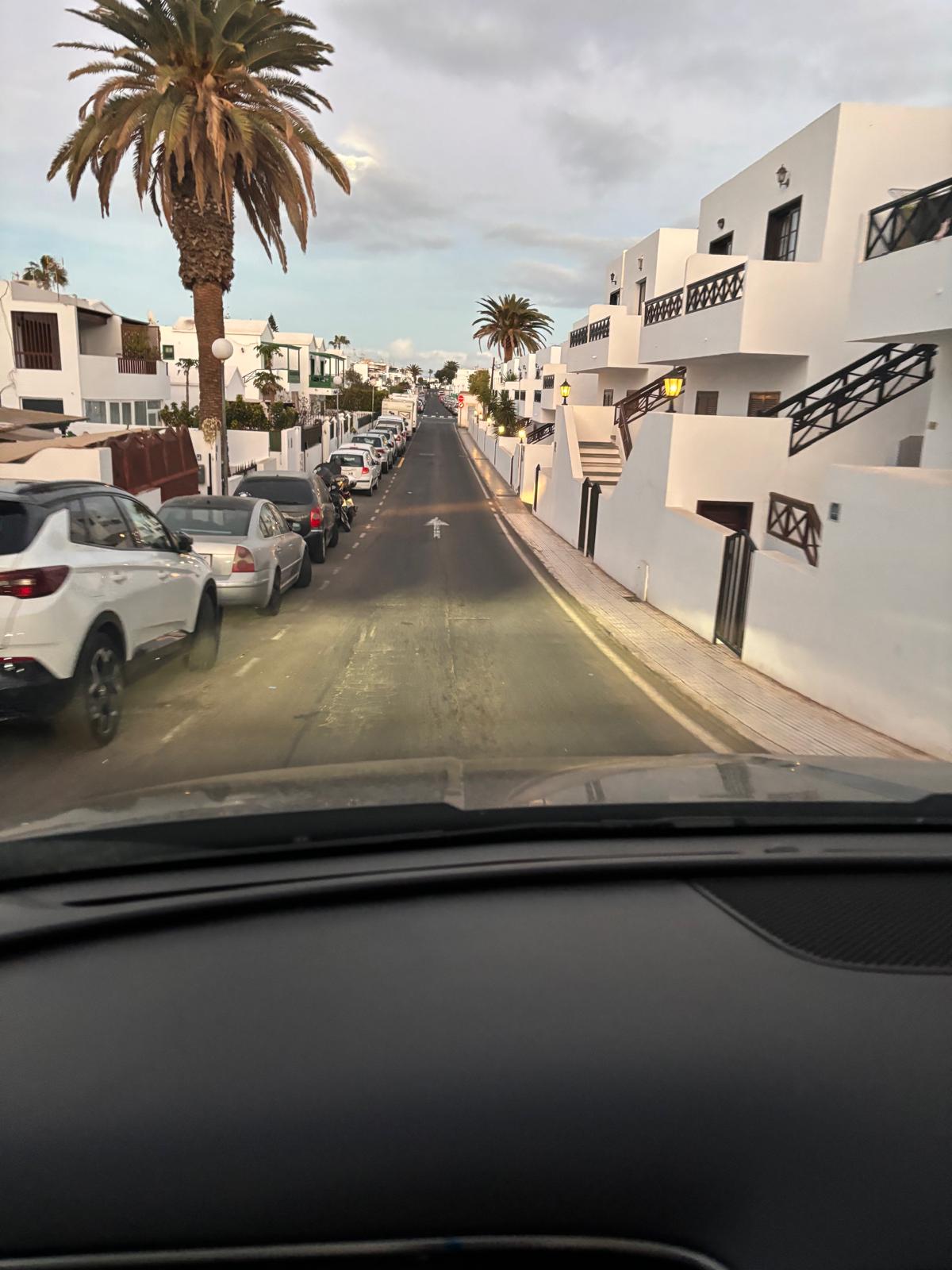
Where to stay? In expensive hotels, spa resorts, small boutique hotels, apartments, rooms — wherever you like. There’s a wide choice for every taste and every budget. But a proper answer should include a specific town, and this is where the island’s uniqueness really comes in. At first glance, you see a volcanic landscape, beaches, and white houses — part of the legacy of César Manrique, who practically designed this place. But once you look deeper, the island, though small, is incredibly diverse.
Arrecife is the capital. You feel like you’re in a city: shopping centers, an oceanfront promenade, government offices, car dealerships, a deep-sea port. There’s even a high-rise building. What there isn’t, however, is an abundance of beaches or a strong tourist vibe.
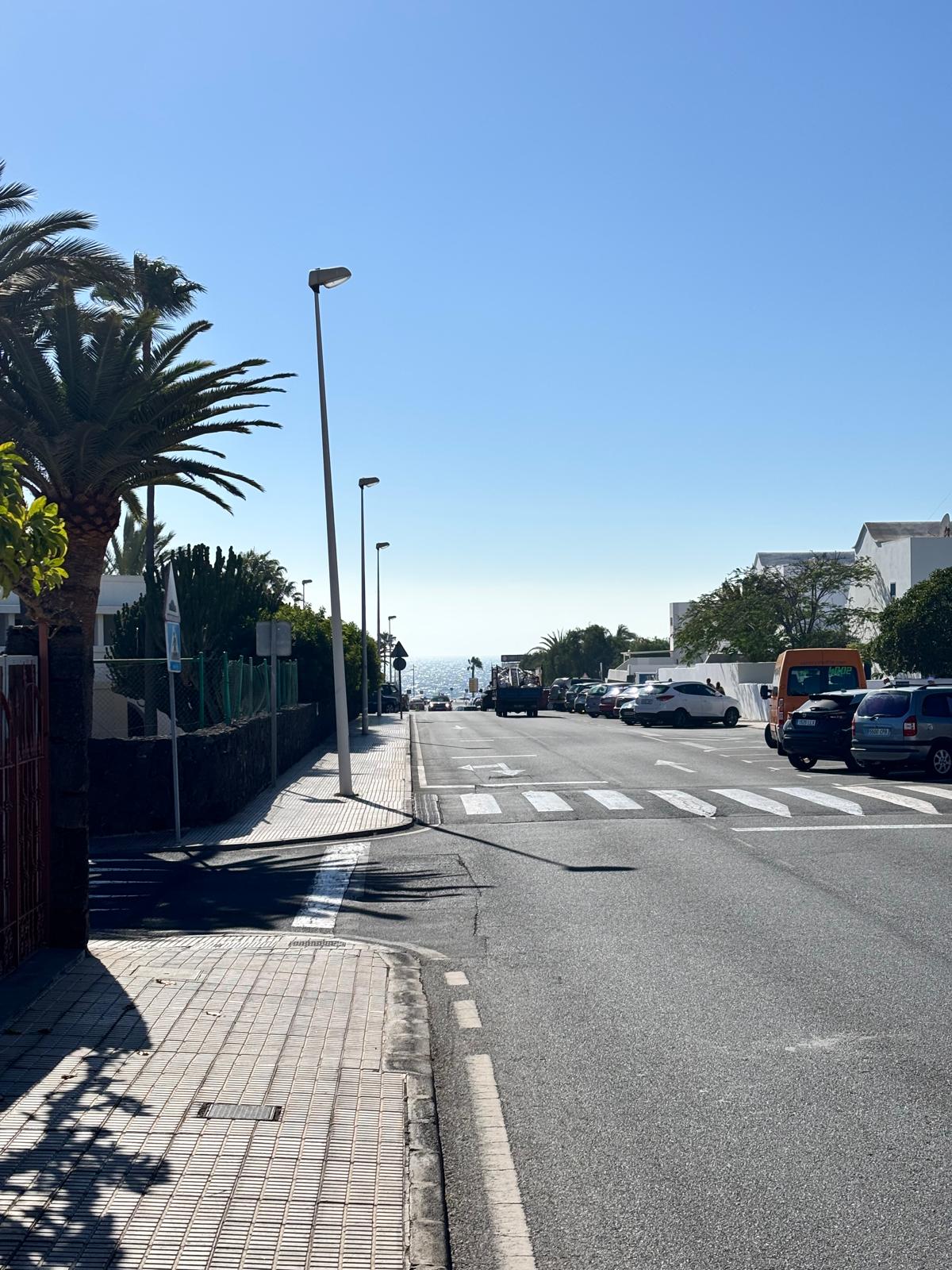
Puerto del Carmen, Playa Blanca, and Costa Teguise are strictly tourist towns, with beaches, promenades, restaurants, hundreds of hotels, and thousands of rooms. But there are also more local places — with public transport, shops, ordinary discount stores for every Rodríguez.
There are atmospheric towns inland as well, such as San Bartolomé and Yaiza. Small, with strong local communities and local eateries where for eight euros you can have a coffee and churros — обязательно with chocolate, which we dip them into. You can feel the calm there, a distance from the world. No one rushes, no one runs — life operates at a different pace.
There’s also the north, with Arrieta or Haría — towns immersed in greenery, set amid highly diverse nature, places where daisies bloom beneath your feet.
And there are tiny seaside villages too, like Playa Famara, where you can feel the power of the ocean and watch locals slowly making their way to the bakery.
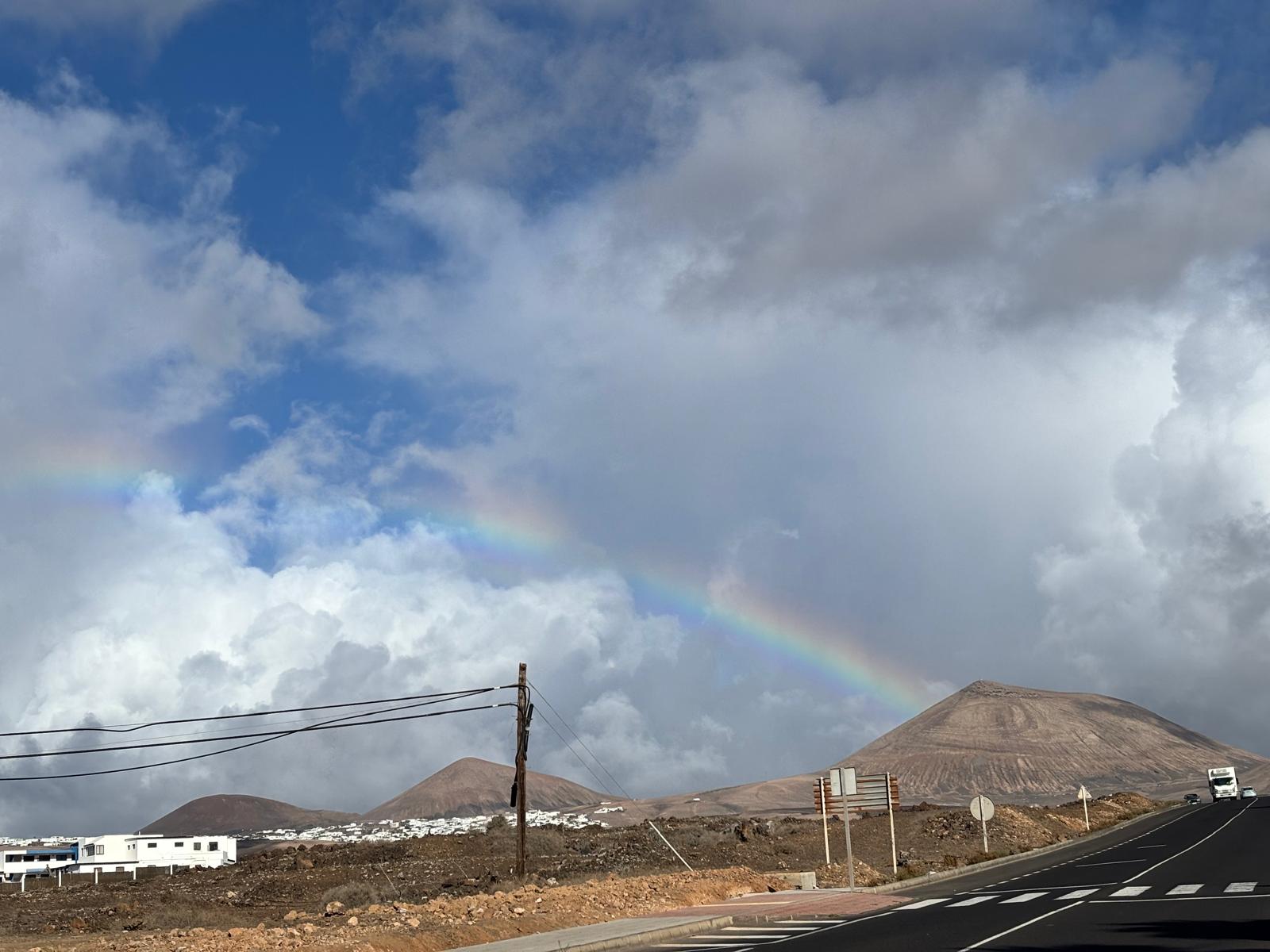
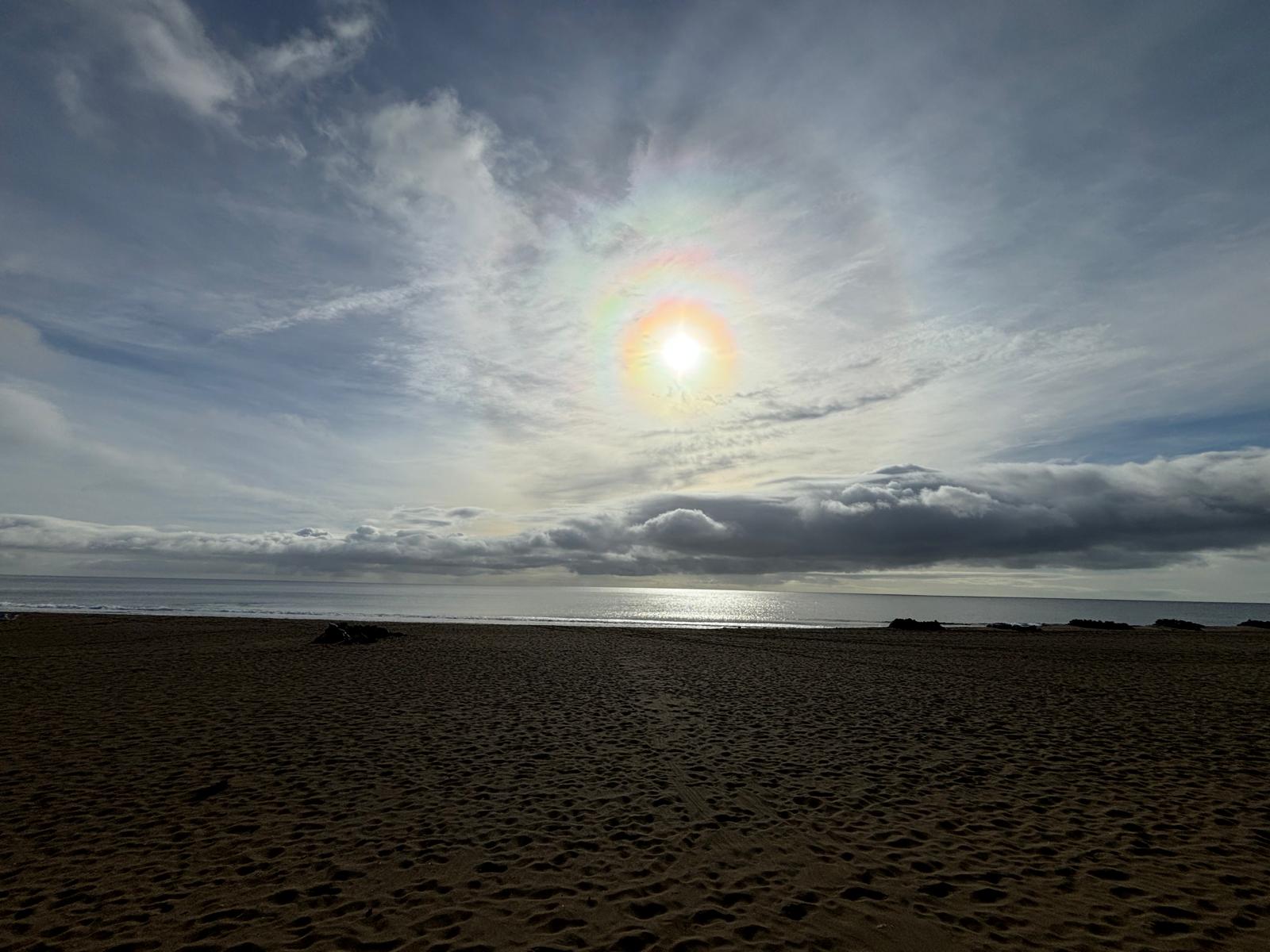
A small, compact island where the two most distant points can be reached by car in an hour gives you a wealth of sensations, atmospheres, and distinctive, interesting places. The same is true of the landscape. At first glance, it seems boring: beaches, emptiness. In reality: wild and extraordinary. Near Haría we lay on a flower-filled meadow; in front of Famara we walked across sandy dunes to reach one of the beaches; for an hour we hiked along a steep cliff; near Puerto del Carmen we lounged on a wide, golden beach; and in Playa Blanca we jumped into powerful waves. Playa Papagayo offers crystal-clear water, perfect for snorkeling. Inland, there are areas resembling savannah, lunar landscapes, and fields of solidified lava that covered one-third of the island three centuries ago. There are volcanoes too.
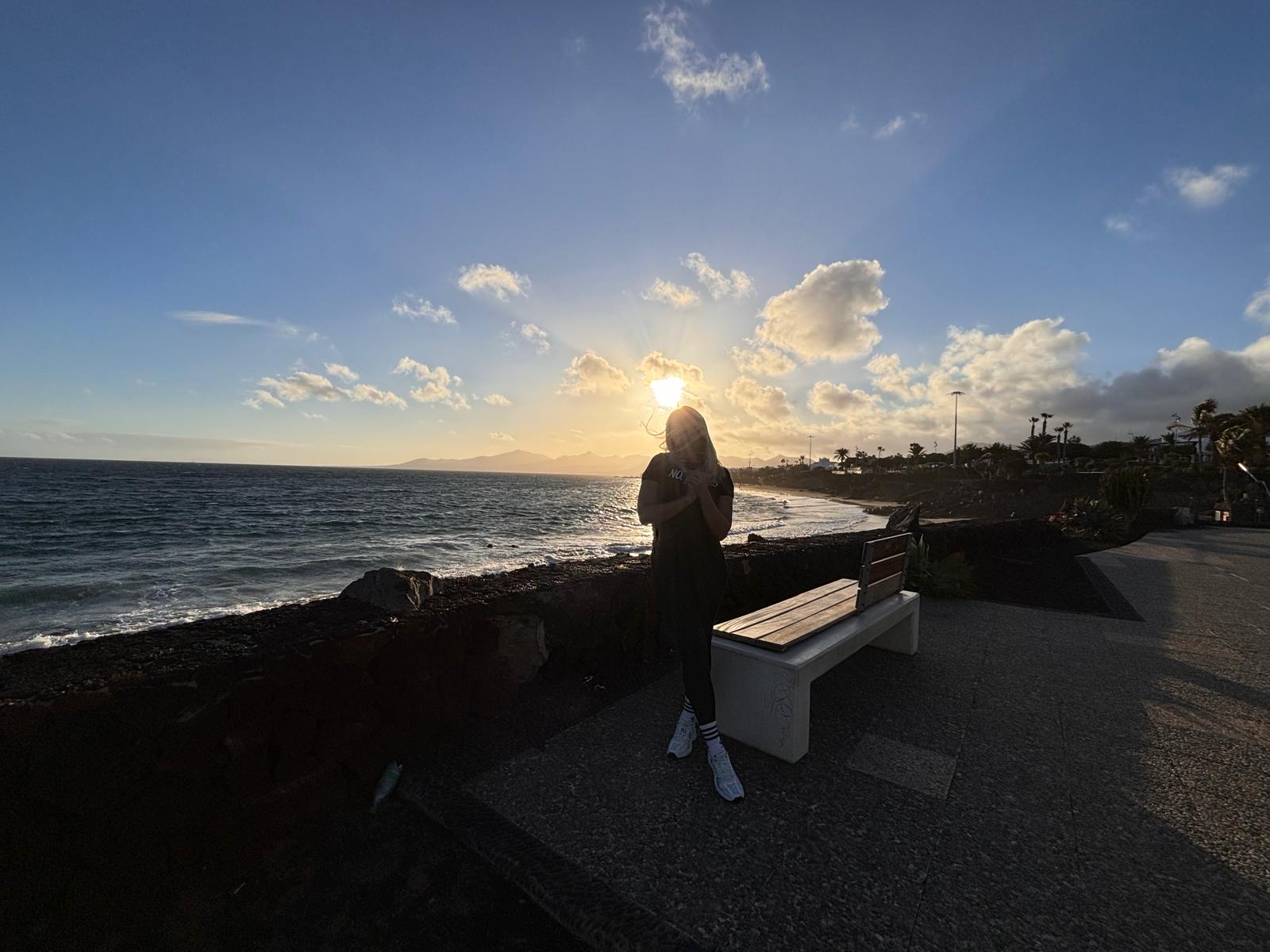
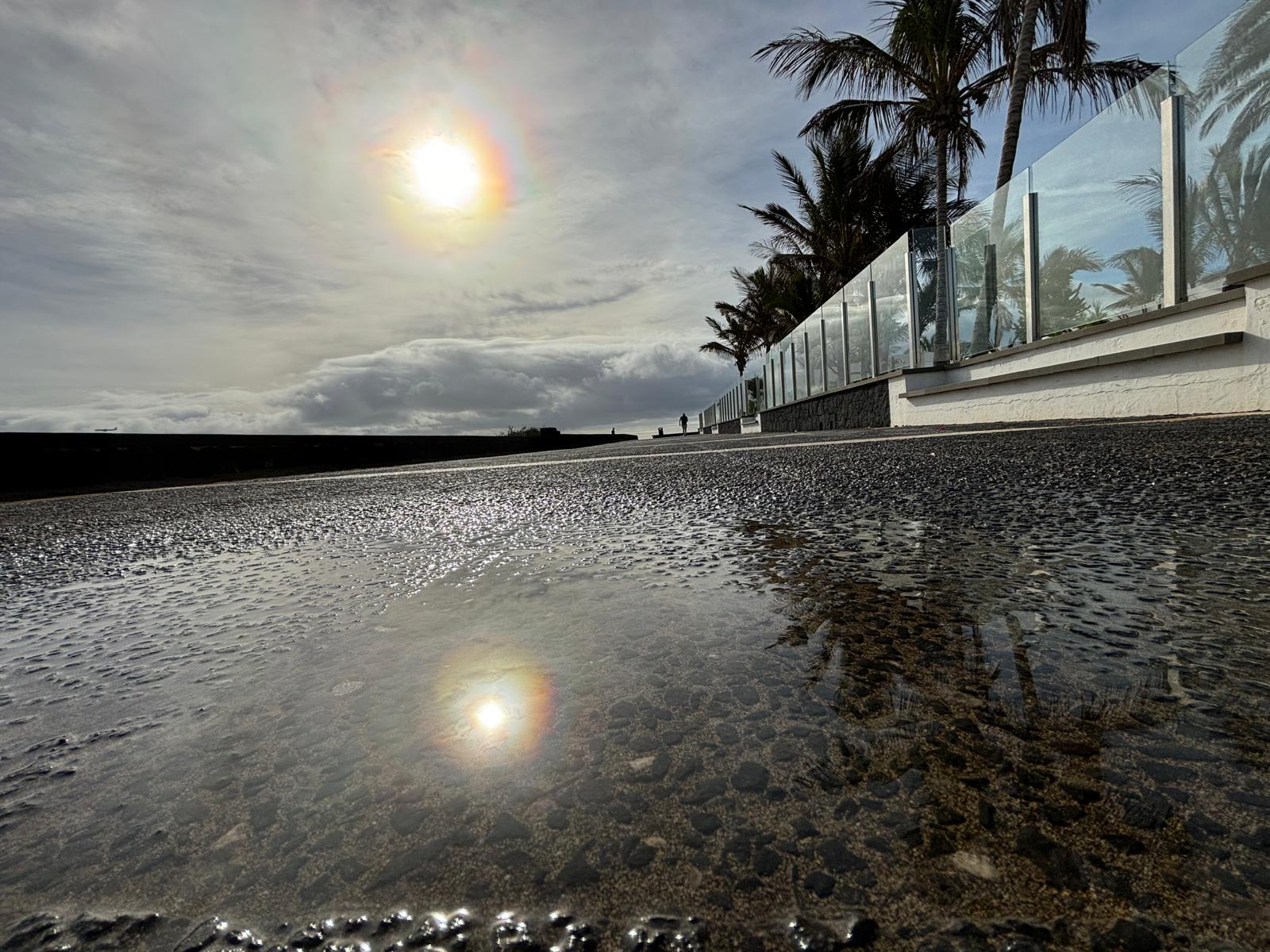
It’s a place where solitude collides with crowds. One moment you’re on the promenade in Puerto del Carmen among hundreds of people from many nations, and fifteen minutes later you’re at the edge of town, walking through lunar landscapes.
To be continued 🙂