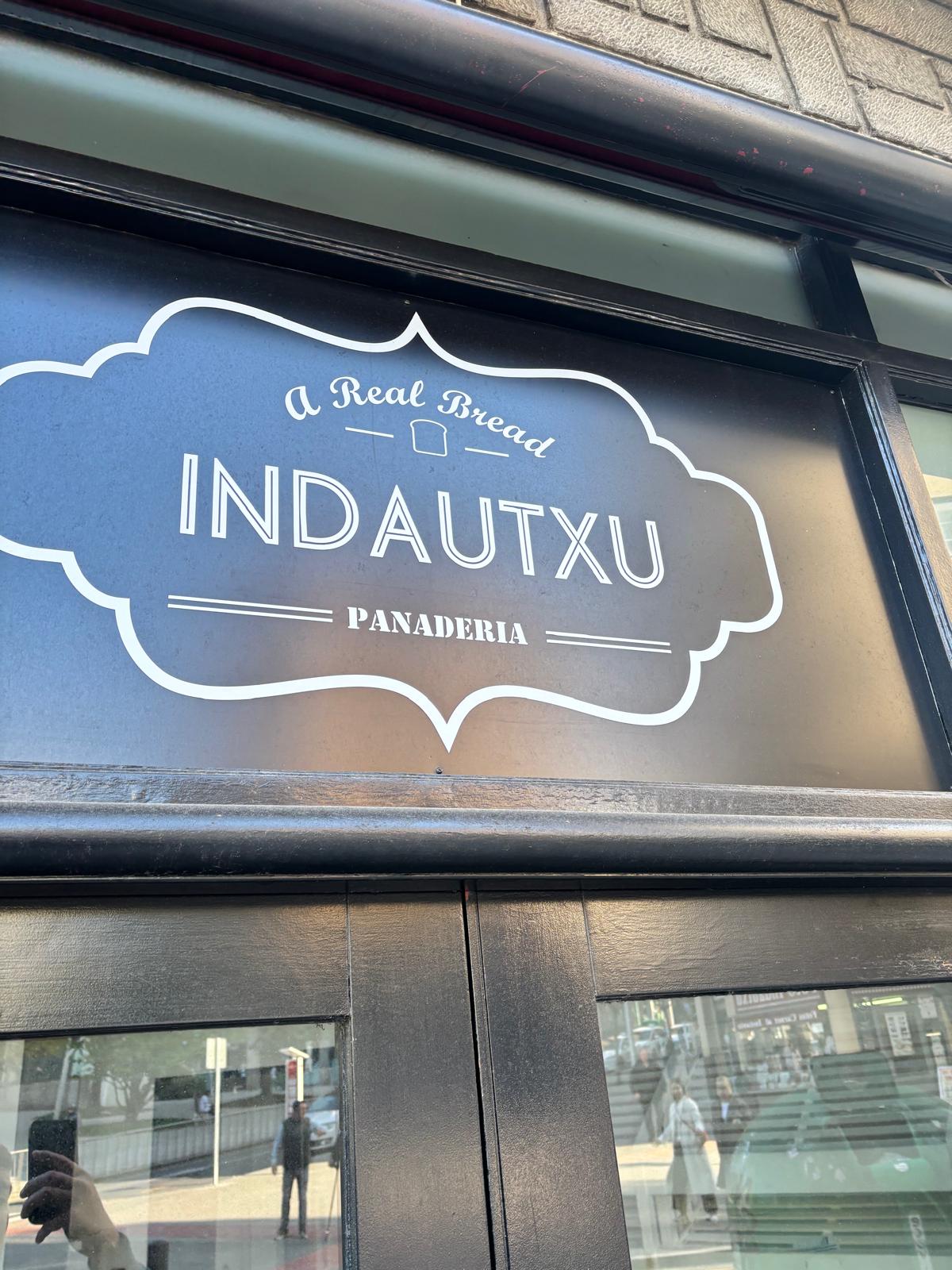

The Basques take great care to preserve their own language, Euskara. Why is it so extraordinary? It’s the only non-Indo-European language in all of Europe. Some trace its roots to the Caucasus, others suggest that the myth of Atlantis and its survivors might actually be about them. Most likely, though, the explanation is far simpler: it’s what’s known as a proto-European language. It emerged long before the peoples from Asia took over our continent and is a living relic of our past. Of course, in everyday life you can easily get by in Spanish, but the names of venues, surnames, and even radio stations in their language betray the value of this unique cultural code.
The Basque Country is beautiful. The Basque Mountains (Euskal Mendiak)—part of the stunning Cantabrian range—are simply picturesque. It’s the Iberian gateway to the Pyrenees. Turquoise rivers and lakes, roads winding in serpentine curves between rolling hills—an outright orgasm for the senses.
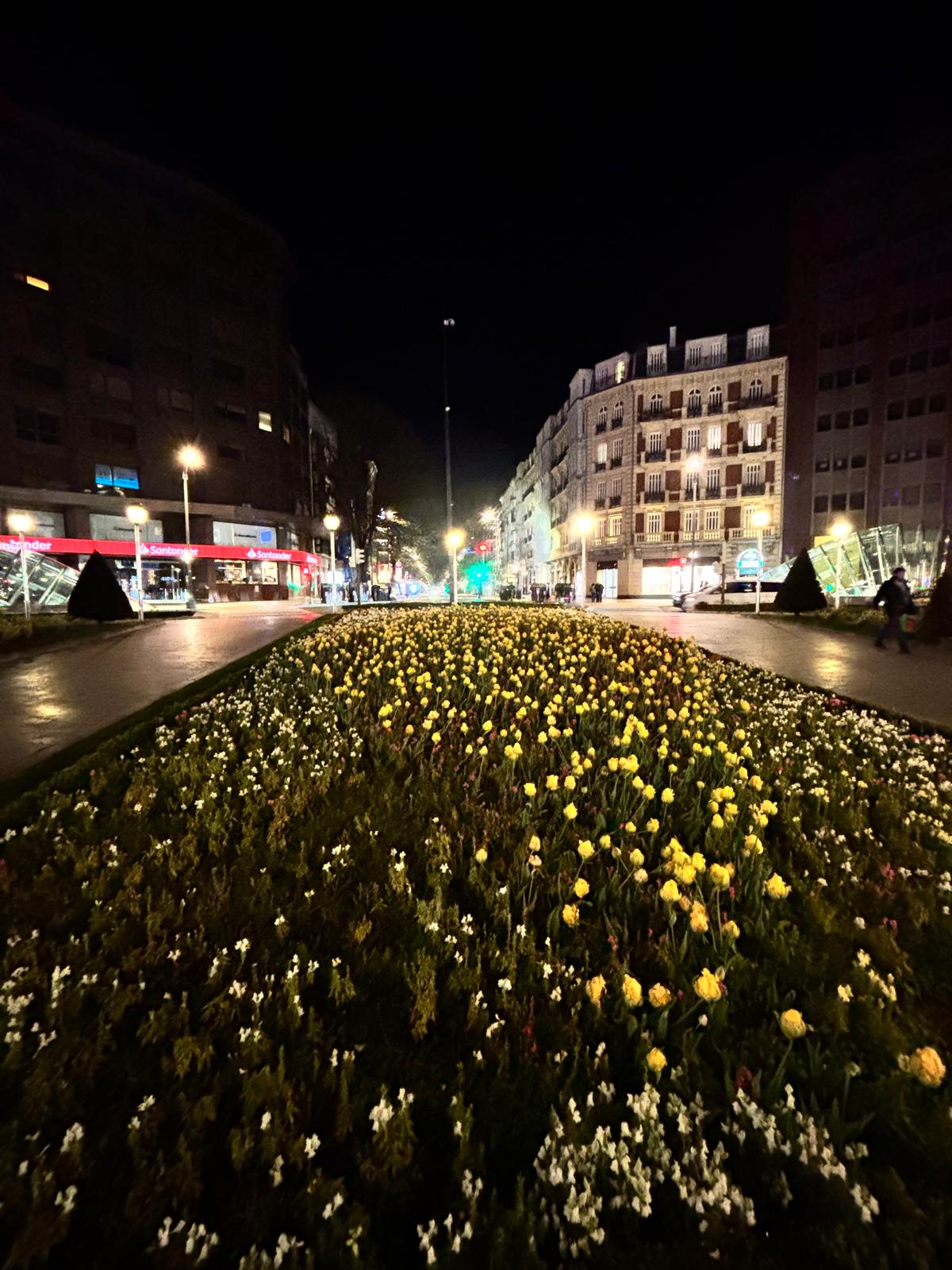
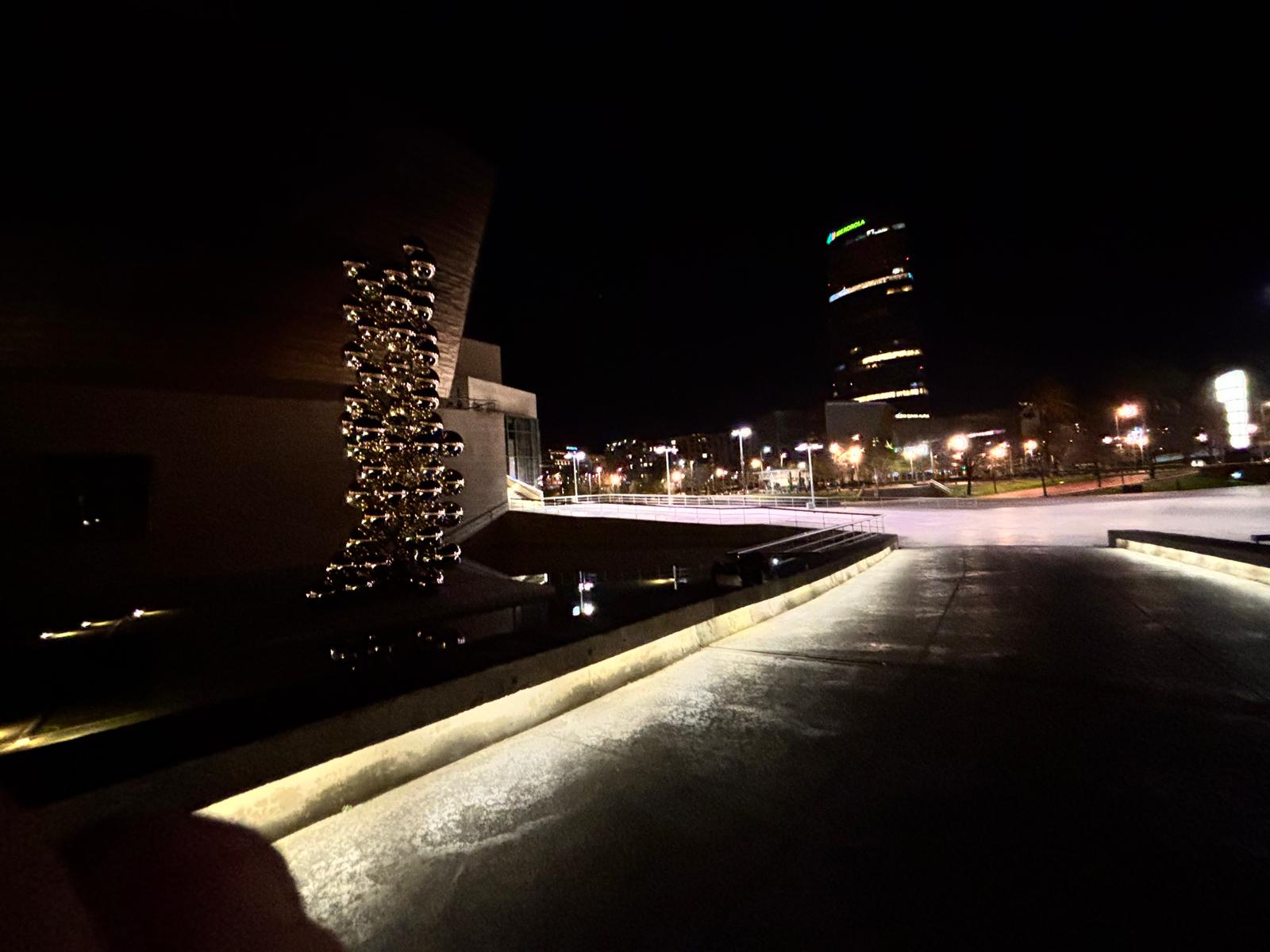
Bilbao itself is a gem. The city blends modernity with history in an extraordinary way. Glass and graphite buildings squeezed in like fillings between majestic old tenements. Greenery and water that quite literally merge with the urban landscape. The massive structure of the Guggenheim Museum not only catches the eye of anyone passing by but is also encircled by city overpasses that integrate it into the urban fabric. The Zubizuri Bridge is a work of art in itself, yet it doesn’t cut itself off from the surrounding space—it becomes part of it. I haven’t checked who the city’s chief architect is, but if I were to become the mayor of Wrocław, I’d pay any price to bring them to Lower Silesia.
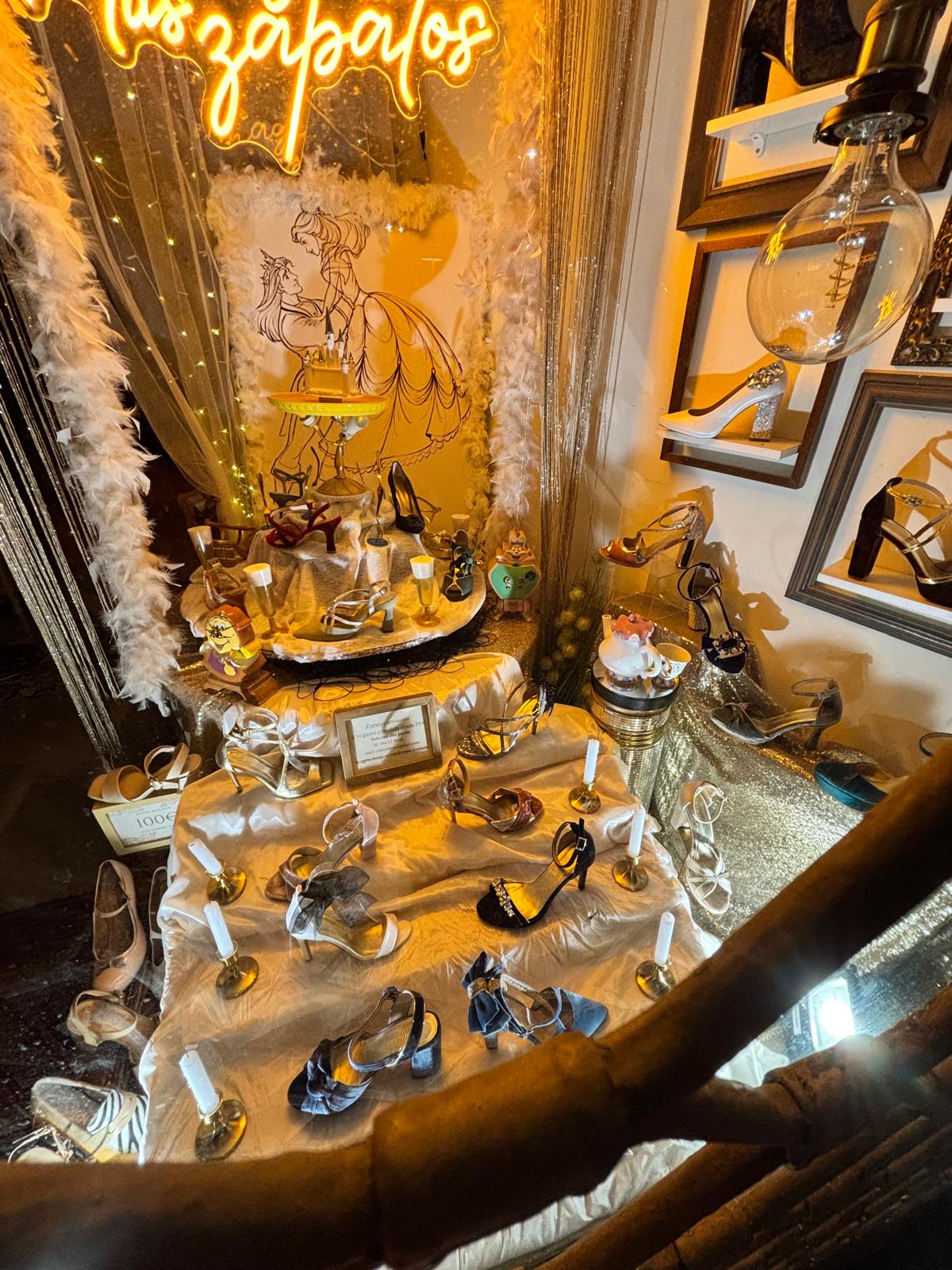
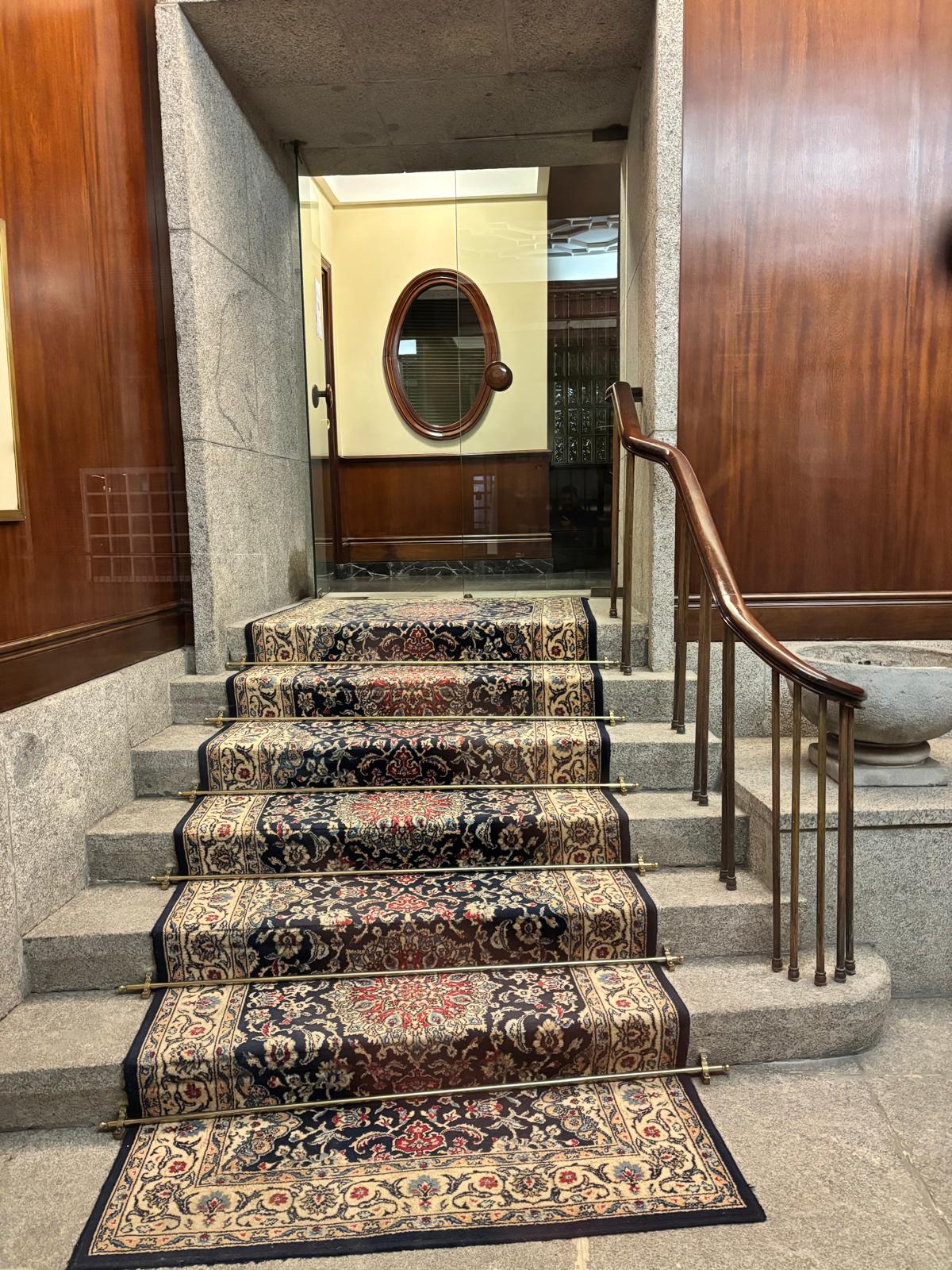
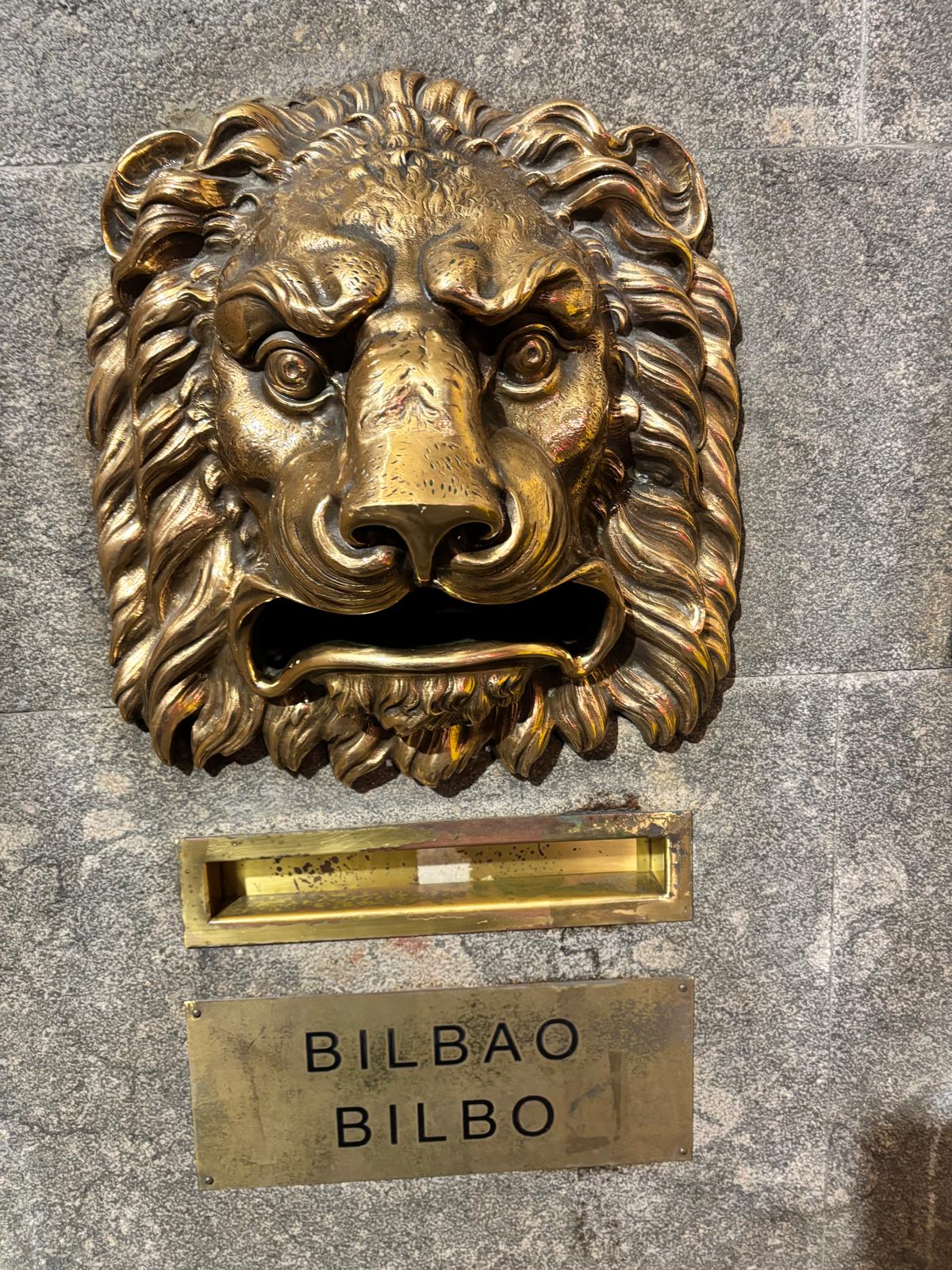
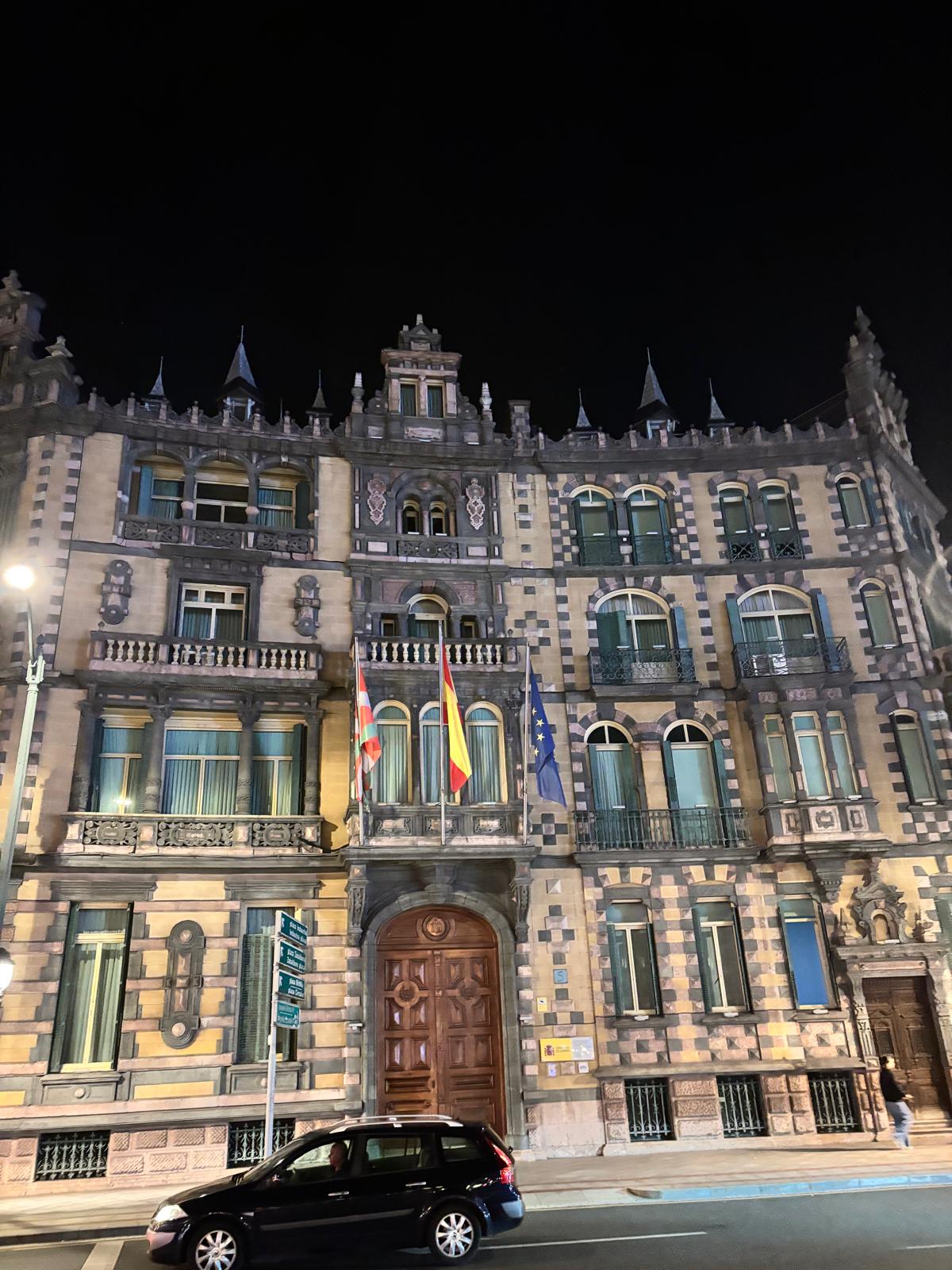
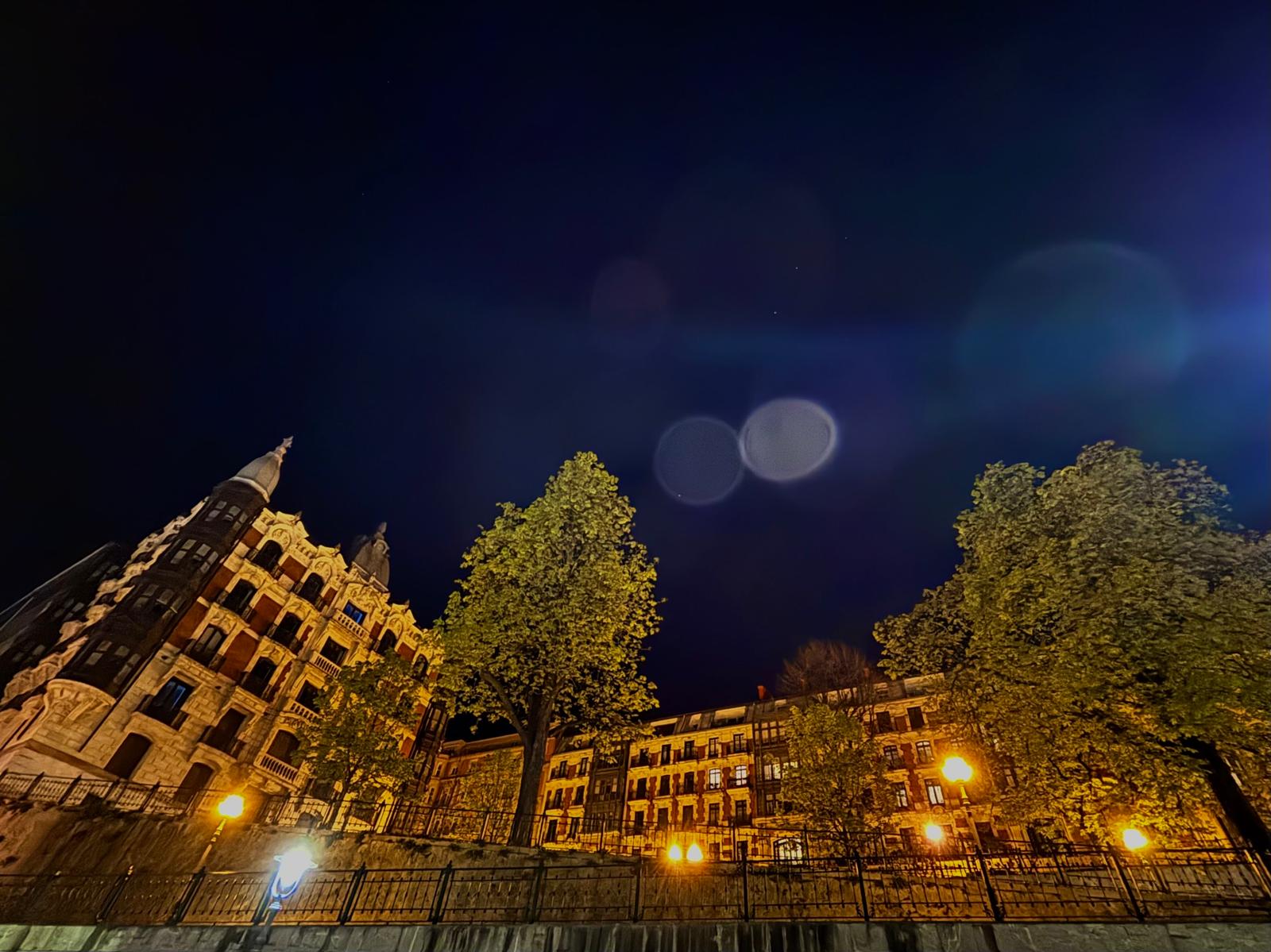
On top of that, almost every building, gate, and stairwell you pass is worth a closer look.
And how do the Basques eat? Much like the Spaniards—sweet pastries with coffee, sitting outside late into the night. Sometimes unhealthily, perhaps with a bit more calm than people from Andalusia, but with no less of a smile on their faces.
Absolutely recommended!